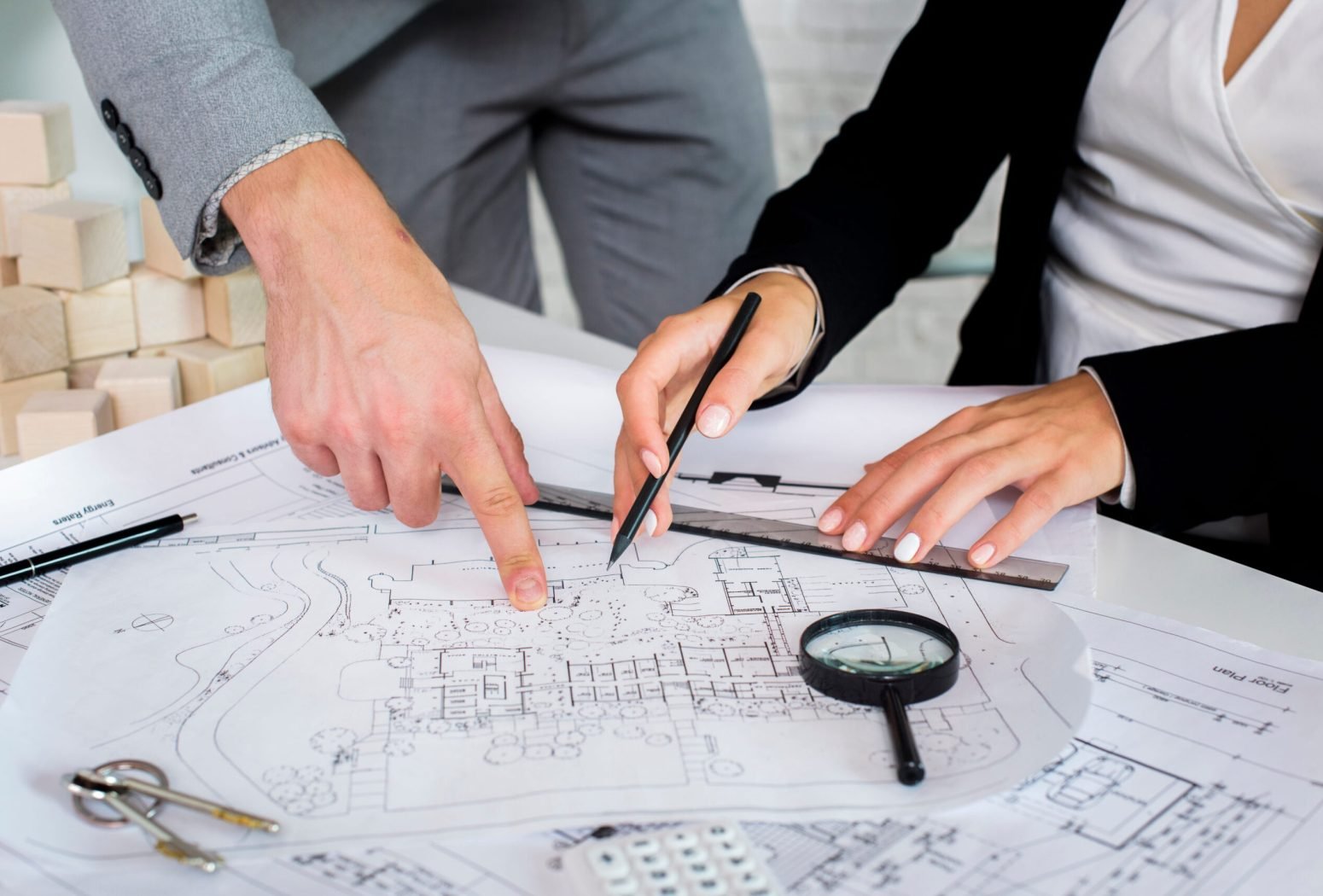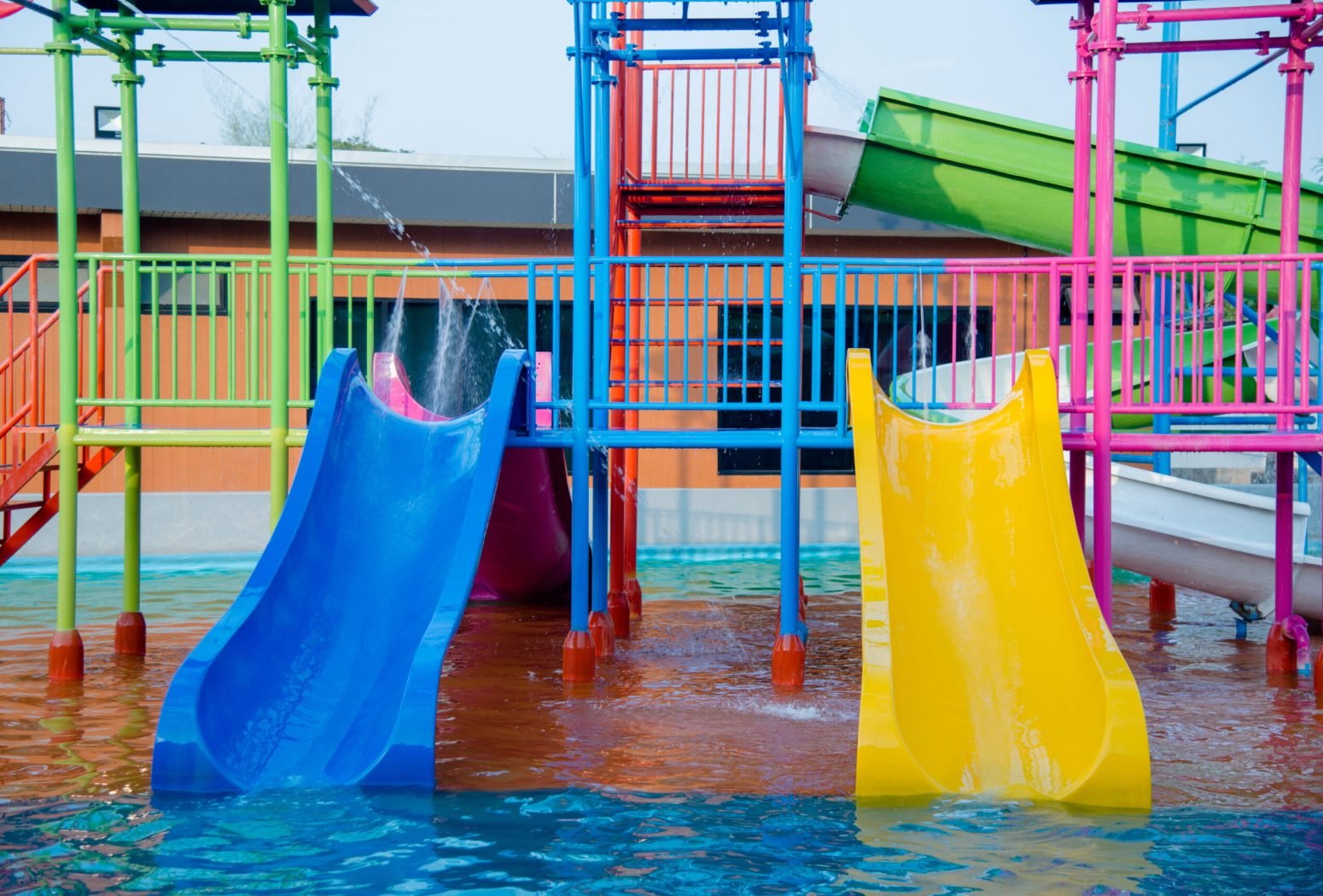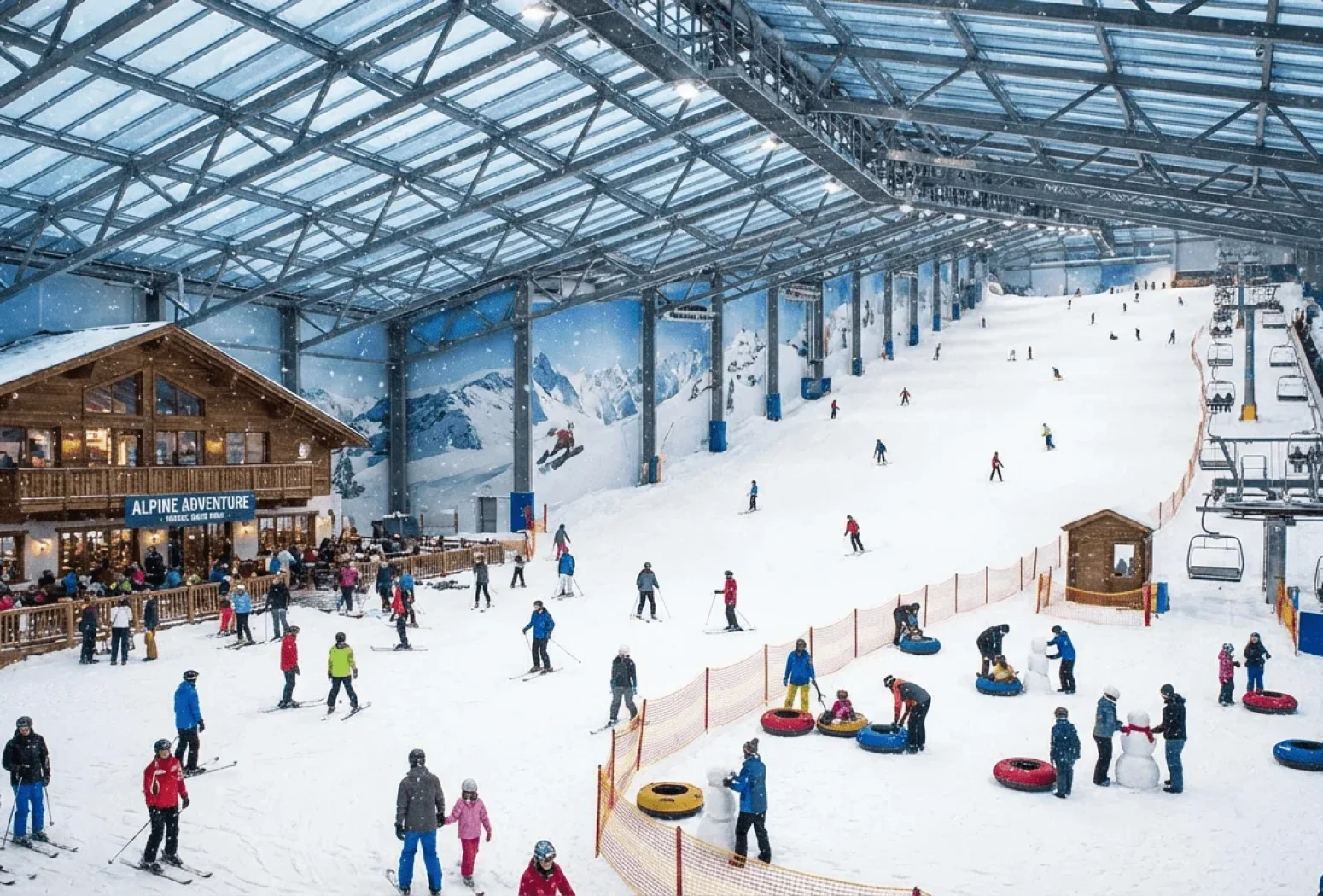

The theme park is a long-term and highly capitalized investment that requires information before making a commitment. The theme park feasibility is an assessment of a project that determines the viability of the project in terms of financial, operational, and strategic aspects within the targeted market. It cuts assumptions with information-driven insights that allow a developer and investor to make informed decisions as early as possible.
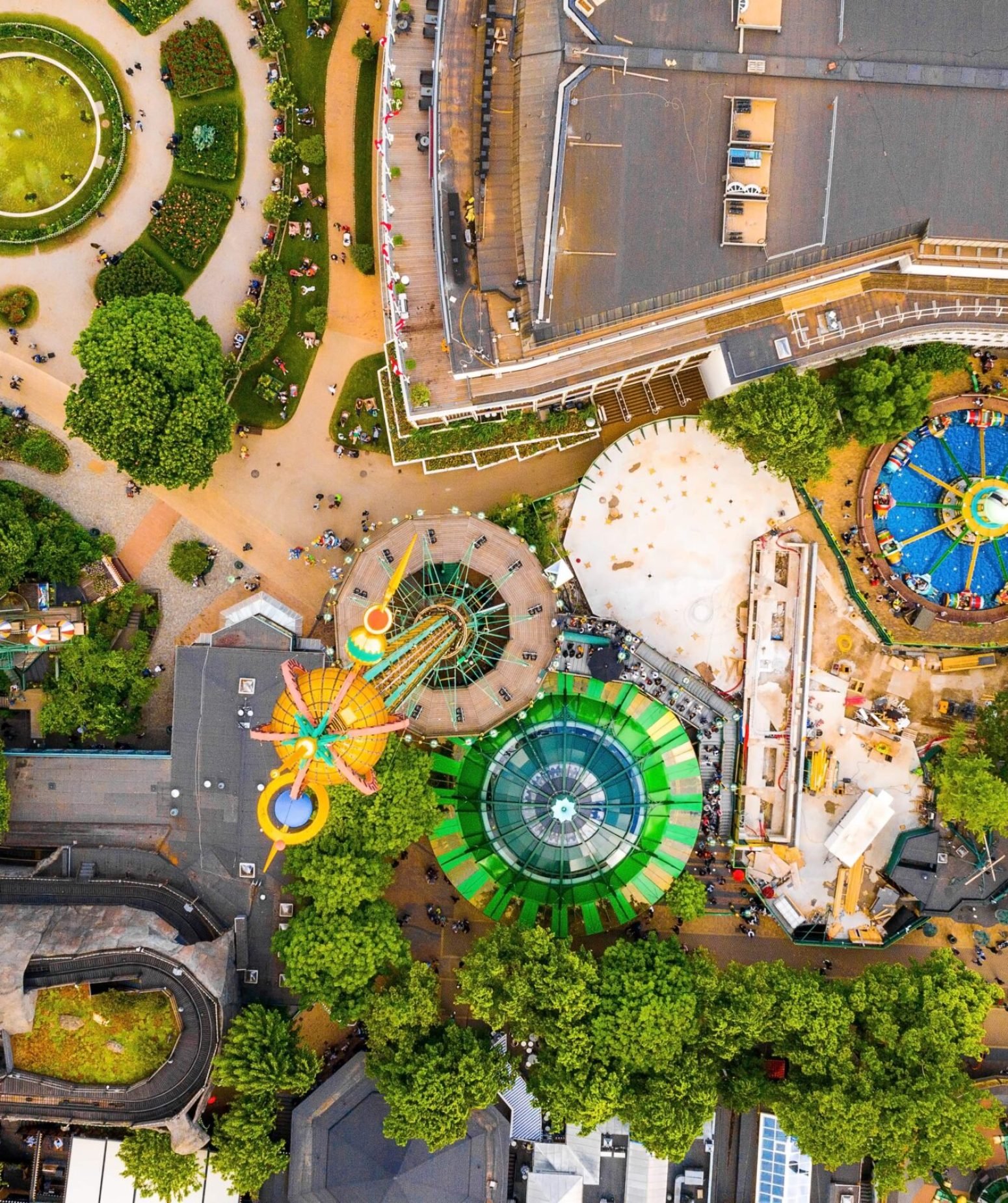
Theme Park Feasibility
Turning ambitious theme park ideas into commercially sound, build-ready concepts.
What is Theme Park Feasibility?
What Is a Theme Park Feasibility Study?
Theme park feasibility study refers to a methodical evaluation of the feasibility of a proposed theme park. It analyzes the demand of the market, location, attraction mix, capital investment, cost of operation, and estimated returns. It is not about designing attractions, but it is about deciding whether the project would proceed or not, and at what level, and where.
The study is a guideline document as a part of our theme park feasibility consulting services that informs the master planning, funding discussions, approvals, and phased development strategies.
Our Approach
At Snomusement Innovations LLP, feasibility is treated as a strategic exercise rather than a checklist. The studies are customized according to the geography of the project, profile of the audience, investment capacity, as well as long-term vision of the project.
We hold a mixture of commercial analysis and operational realism so that the proposed park would meet the market appetite and operational ability.
Market & Audience Assessment
We establish a precise project scope, outlining design intent, capacity planning, infrastructure requirements, and operational assumptions aligned with tender objectives.
Concept Positioning & Attraction Strategy
Instead of enumerating rides, we are assessing the correct categories of attractions, right capacity planning, and thematic direction on the basis of market fit and differentiation.
Capital & Operating Cost Analysis
Detailed CAPEX and OPEX projections are prepared, factoring in infrastructure, energy consumption, staffing, maintenance, and lifecycle costs.
Risk & Scalability Evaluation
The mitigation strategies are associated with potential risks associated with seasonality, regulation, operational complexity, and future expansion.
Theme Park Feasibility Consulting Services
Our theme park feasibility consulting would cater to the projects in the concept stage, land evaluation stage, and pre-investment stage. The research illuminates financial sustainability, the ideal size of the park, development stages, and the projected payback period.
The result is an organized feasibility report that would be seen as fostering investor confidence, institutional approvals, and long-term planning, rather than initial go/no-go decisions.
What the Feasibility Study Typically Covers
- Market demand and visitor profiling
- Competitive landscape analysis
- Site suitability and access considerations
- Recommended park scale and capacity
- Capital investment estimates
- Operating cost benchmarks
- Revenue projections and break-even timelines
- Risk assessment and sensitivity analysis
Each section is aligned to decision-making rather than design execution.
Why Feasibility Matters for Theme Park Development?
Theme parks end up operating at low profitability when improperly planned. Long-term viability can be affected by oversized attractions or improper positioning, or a lack of realistic attendance estimates. A feasibility study will help to maintain the level of investments, operating models, and expectations of the guests on the first day.
Snomusement Innovations LLP is well versed in the entertainment destinations, and therefore, it has provided a study on the feasibility that is creative and at the same time commercial.
Sectors We Deal With
Who Should Commission a Theme Park Feasibility Study?
- First-time theme park investors
- Real estate and mixed-use developers
- Tourism boards and government bodies
- Resort owners planning large attractions
- Existing park operators considering expansion
A feasibility study is especially critical before land acquisition, funding commitments, or attraction selection.
Our Core Services
Every projection project is built on innovation, technical mastery, and creative storytelling.
Frequently Asked Questions (FAQs)
When is the right time to commission a theme park feasibility study?
This would be best done prior to any big financial obligation like land acquisition, investment arrangements, or attraction choice. Early feasibility conduct allows the project scope to be formed, lessens the financial risk, and eliminates redesigning expenses in the future.
Can a feasibility study determine the ideal size of a theme park?
Yes. A feasibility study is a study that assesses the anticipated attendance, dwell time, and the required capacity as a guideline to an ideal size of the park. This will make sure that the level of investment will be in tandem with market demand and operational efficiency.
Does a feasibility study account for seasonal performance and climate impact?
Absolutely. Unpredictable seasonal changes, weather conditions, peak/off-peak cycles are examined to gauge the changes of attendance, revenue stability, and planning of operations within the year.
How does feasibility help prevent over-investment in attractions?
Instead of excess ride density, feasibility studies concentrate on attraction types and the capacity plan. This avoids overbuilding, regulates the cost of capital, and makes sure the attractions are matched to the demand of the guests and their revenue potential.
Is a feasibility study useful for existing parks planning expansion?
Very much so. In the case of operating parks, feasibility studies evaluate the prospects of expansion, the market saturation, and the expectation of returns, and assist the owners in making decisions on whether to expand or reposition and diversify the attractions.
Ready to Light Up Your Space?
Let’s create a breathtaking visual experience together. Our team specializes in projection mapping that turns architecture and environments into unforgettable stories of light and motion.