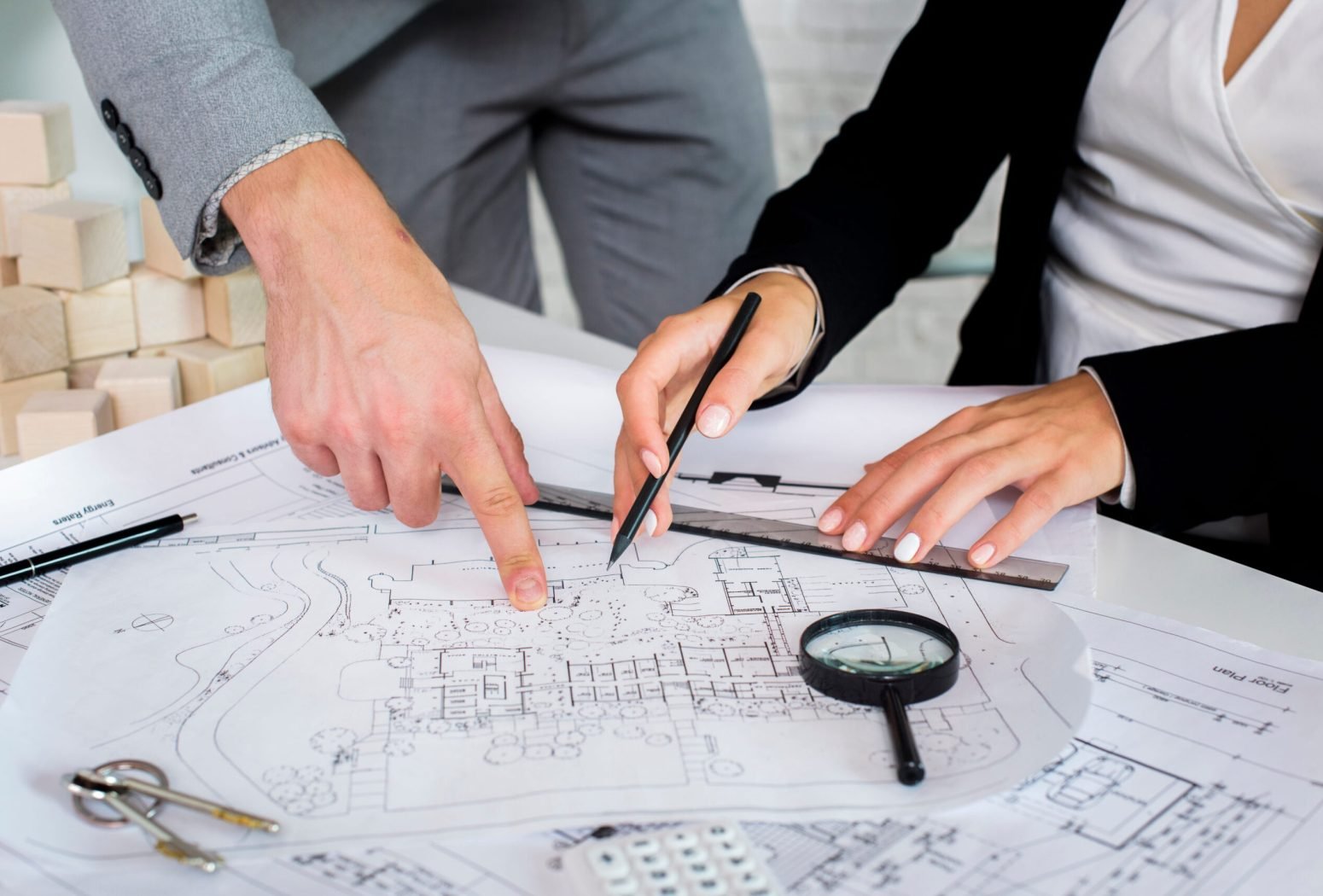
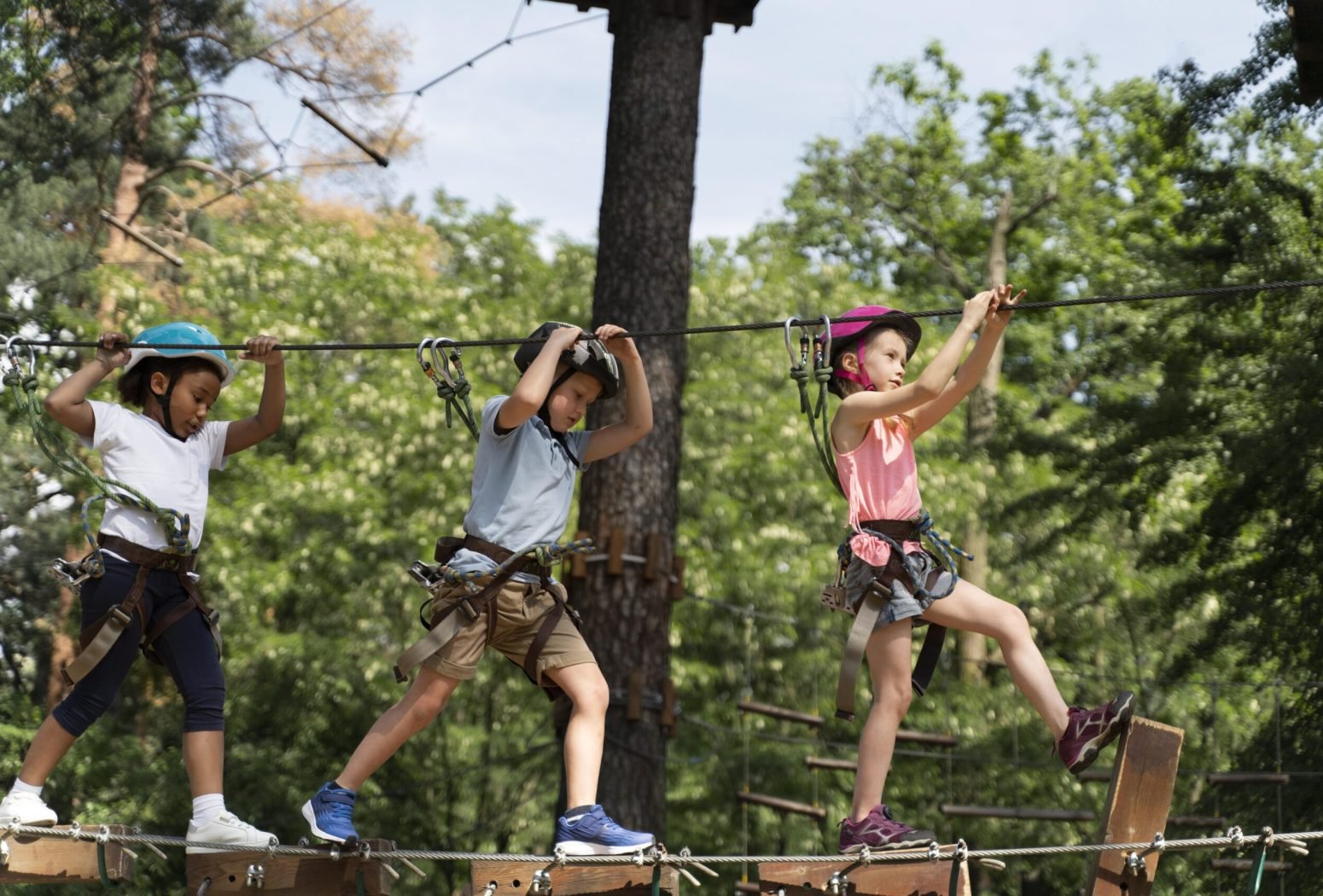
MEP engineering services for commercial buildings follow standard practices. Entertainment infrastructure is a challenge entirely different, and most general MEP consultants are not equipped for it.
Here is what makes leisure and entertainment MEP different:
Higher and more variable electrical loads. Rides, lighting shows, sound systems, water pumps, and food & beverage operations all run simultaneously. Peak load calculations for a theme park or FEC are far more complex than for an office building.
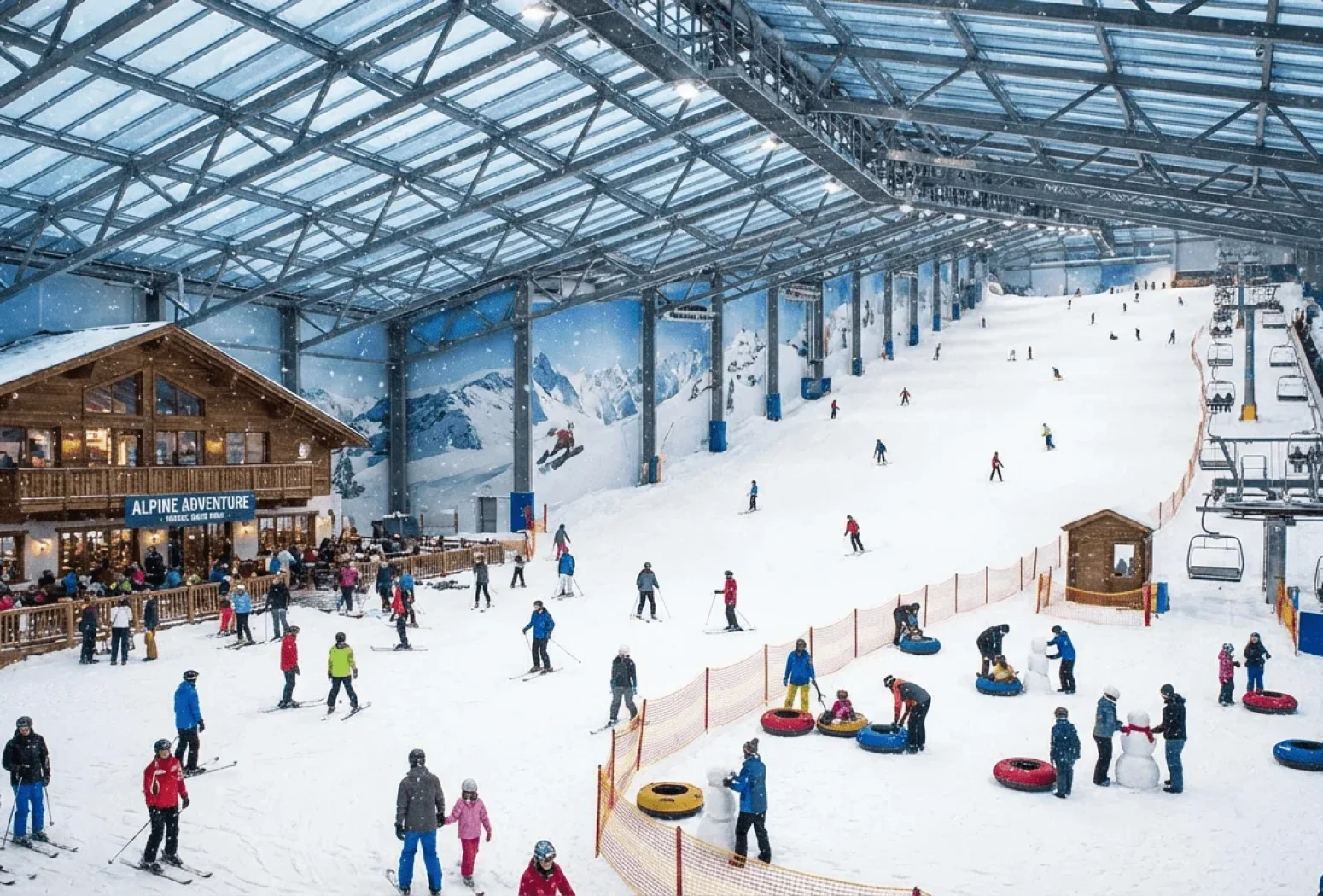
Climate-controlled environments. The three most common types of mechanical design work in commercial construction are space heating, air conditioning, and mechanical ventilation but in an indoor snow park, all three must maintain temperatures as low as -5°C to -10°C in an enclosed public environment. This requires specialist HVAC design that goes well beyond standard commercial practice.
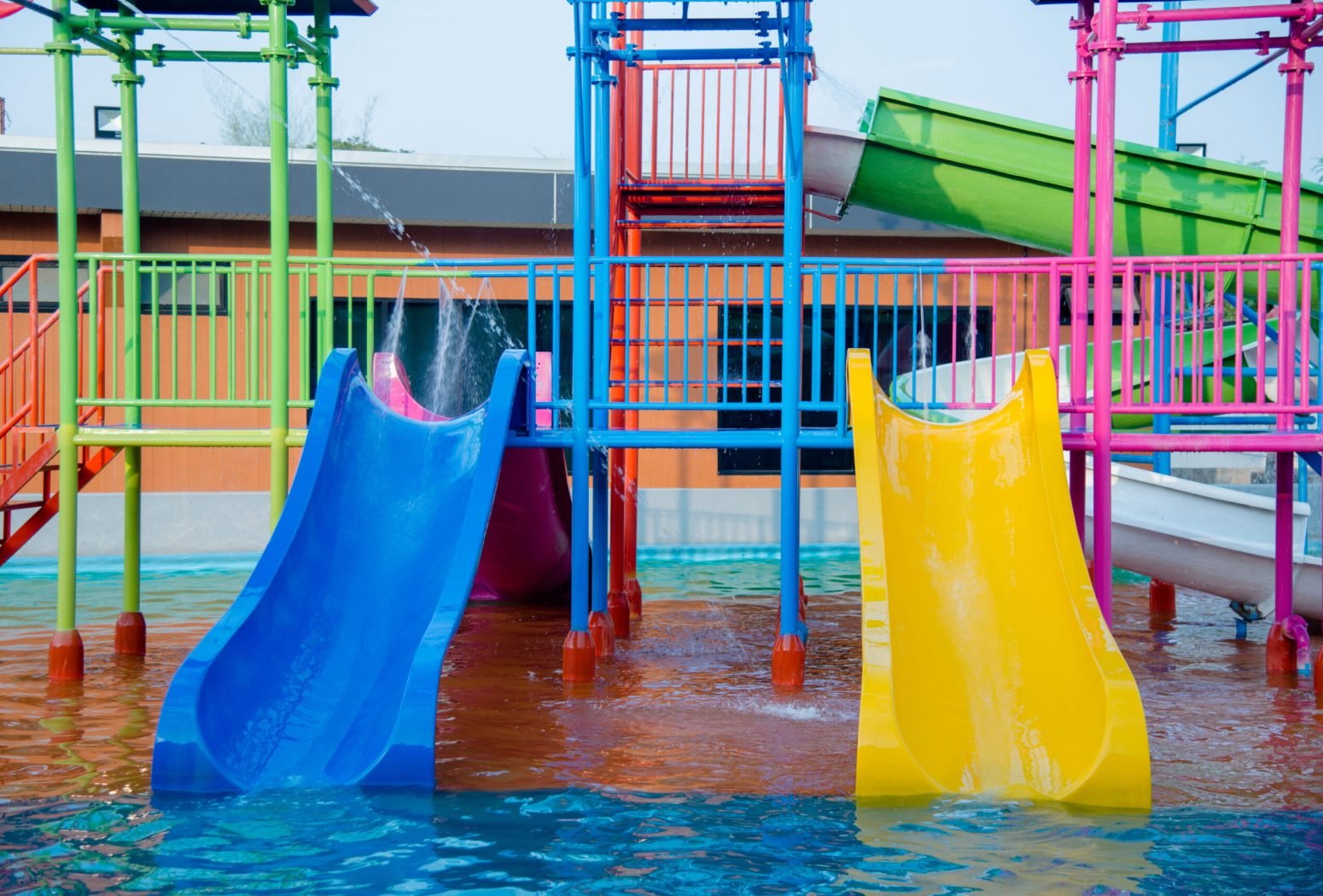
Water system complexity. A water park’s plumbing and water management systems filtration, recirculation, chemical dosing, drainage, backwash are more complex than the entire plumbing scope of a standard commercial building. HVAC, electrical, and plumbing for water parks must be designed as a single integrated system.
Safety system integration. Fire detection, emergency lighting, crowd management systems, and safety shutoffs all have to work together in an environment where thousands of visitors are present. MEP consulting services for entertainment venues require a deep understanding of how these systems interact under real operating conditions.
Operational continuity. A theme park or resort cannot have a system failure during peak hours. MEP design for entertainment infrastructure must include redundancy planning, backup power, and rapid-response maintenance access, none of which are standard in commercial building MEP design.
This is why Snomusement’s MEP project coordination is built specifically around the entertainment and leisure sector, not adapted from general commercial practice.