Zone Planning
Transforming spaces into immersive, dynamic, and visually stunning storytelling experiences.
Theme Park Zone Planning Services
Organizing the destinations into smooth, user-friendly, and yet high-performing experiences.
Any good theme park or entertainment attraction seems easy to get around in. The attractions occur naturally, the crowd breaks up unconsciously, and every part has its identity and at the same time forms a part of one complete whole. This feeling of flow is not created by accident–the planning of zones strategically created it.
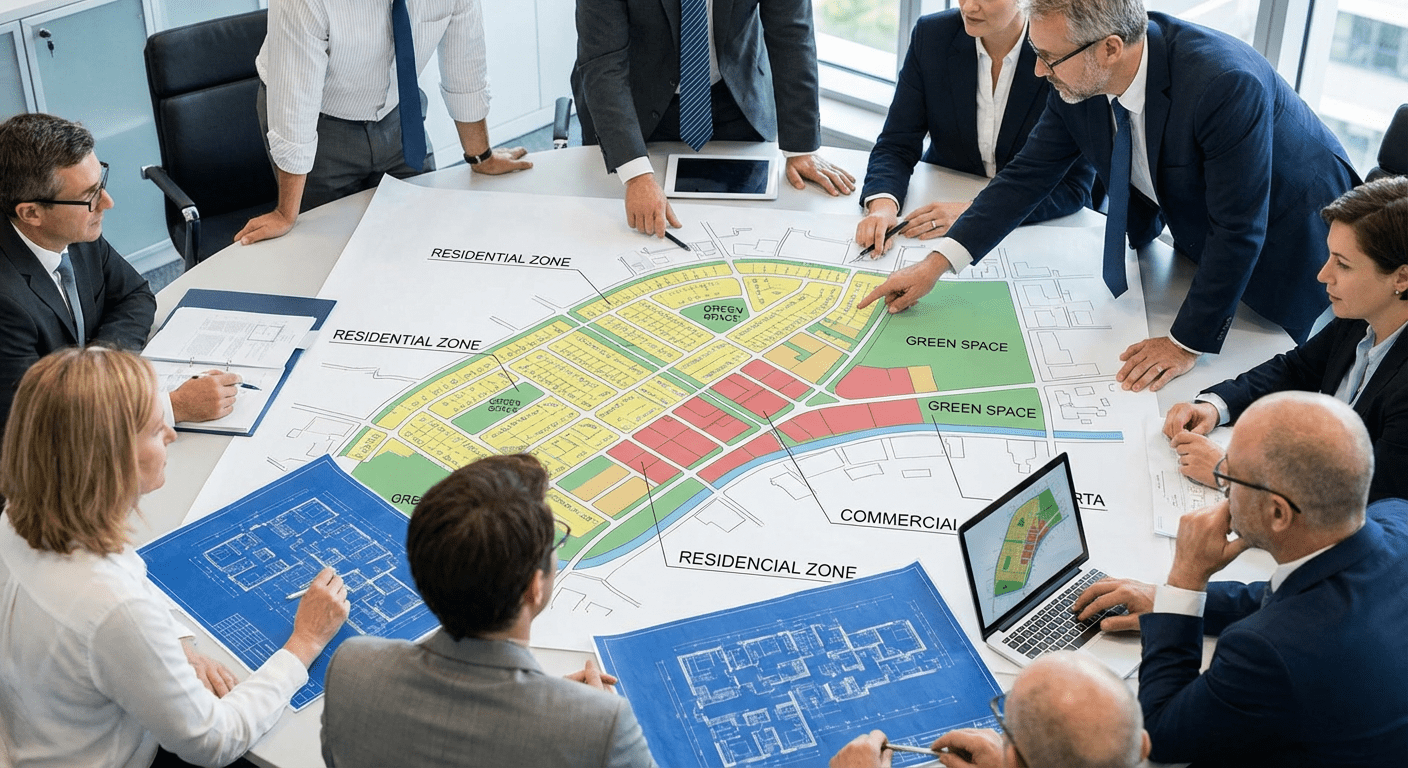
Zone planning outlines the actions of a park, visitor movement, and experience linkages. It turns a master vision into a spatial framework, which is both exciting, comfortable, and efficient in operations.
What Is Zone Planning?
The systematic subdivision of a park or an attraction into well-defined functional and experience areas is known as zone planning. With Theme Park Zone Planning Services, every zone will have a purpose, capacity, and experience profile to make the design of each zone understandable to the visitors and efficient to the operators.
Zones may be organized around:
- Attraction intensity levels
- Age groups and demographics
- Themes or narratives
- Operational functions
- Crowd distribution and circulation
Effective zoning ensures that guests instinctively understand where to go, what to expect, and how to move comfortably across the destination.
Why Strategic Zone Planning Matters?
Strong zoning not only deals with layout, but it also has a direct effect on safety, revenue, and guest satisfaction. Unplanned areas cause congestion, confusion, and poorly performing attractions.
Strategic zone planning enables:
- Balanced crowd distribution across the park
- Reduced bottlenecks and circulation conflicts
- Clear identity for each experience area
- Improved dwell time and visitor engagement
- Efficient staffing, maintenance, and operations
Zoning provides structure without restricting creativity.
Amusement Park Zoning & Layout Design
Attractions, amenities, and support spaces are placed to complement each other instead of competing to capture attention or space through Theme Amusement Park Zoning and Layout Design.
This process evaluates:
- Proximity between high- and low-energy attractions
- Placement of food, retail, and rest areas
- Visual transitions between zones
- Back-of-house separation from guest areas
- Emergency access and service routes
The goal is a layout that supports both guest enjoyment and operational clarity.
Entertainment Attraction Zone Planning
In Entertainment Attraction Zone Planning, the zones would be developed as a full experience ecosystem instead of a solitary attraction. Every zone possesses a certain rhythm, scale, and tone of emotion.
Key considerations include:
- Entry and exit sequencing
- Visual landmarks and orientation cues
- Sound, lighting, and spatial transitions
- Queue integration within zones
- Capacity alignment with visitor flow
This ensures zones feel immersive, purposeful, and easy to navigate.
Visitor Flow & Zone Optimization
Zones only succeed when visitor movement is carefully planned. Visitor Flow & Zone Optimization aligns zoning with real movement patterns rather than theoretical layouts.
Optimization focuses on:
- Natural desire lines and movement habits
- Peak-hour crowd distribution
- Queue spillover prevention
- Rest and pause space placement
- Smooth transitions between zones
By synchronizing zones with flow, parks reduce stress points and improve overall experience quality.
End-to-End Park Zone Planning Solutions
End-to-end zoning deals with the whole lifecycle of a park, which is a concept of operation. Park Zone Planning Solutions, of an end-to-end nature guarantee that zoning is made flexible with changing attractions and an increase in visiting numbers.
This includes:
- Phased development zoning
- Expansion-ready zone frameworks
- Temporary event overlays
- Seasonal programming flexibility
- Future ride and experience integration
Zones are planned not just for opening day, but for long-term growth.
Types of Zones Commonly Planned
Zone planning typically addresses multiple functional layers within a park:
- High-thrill attraction zones
- Family and children-focused areas
- Retail and dining districts
- Event and performance zones
- Rest, landscape, and buffer areas
- Operations and service zones
Each zone serves a distinct role while contributing to a cohesive visitor journey.
How Zone Planning Enhances Visitor Experience?
Visitors do not always pay much attention to zone planning, but it influences their experience during their stay. Well-planned zones result in:
- Reduced walking fatigue
- Clear navigation without excessive signage
- Comfortable crowd density
- Logical progression of experiences
- Memorable spatial identity
Visitors feel oriented, relaxed, and engaged, which leads to longer stays and higher satisfaction.
Integration with Master Planning and Design
Zone planning sits at the intersection of master planning, attraction design, and operational strategy. It informs:
- Ride selection and placement
- Architectural massing
- Landscape design
- MEP and infrastructure planning
- Crowd and occupancy modeling
When zoning is aligned early, downstream design decisions become faster, clearer, and more efficient.
Our Core Services
Every projection project is built on innovation, technical mastery, and creative storytelling.
Frequently Asked Questions (FAQs)
Creating Parks That Feel Effortless
Zone planning simplifies complex matters into simple tasks. The parks become intuitively, immersively, and operationally robust when their zones are designed well.
It is not only a well-zoned destination that appears to be organized but also to be more efficient, change more quickly, and make the visitors desire to return.