

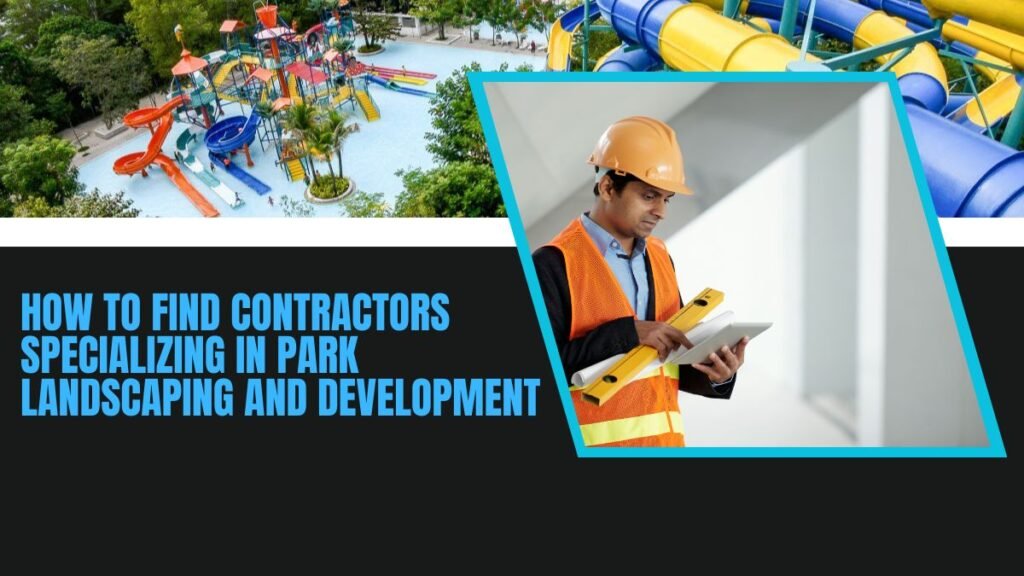
Creating a successful park is never just about land and structures; it’s about crafting an experience. From the moment visitors enter a park, the landscaping, pathways, water features, and open spaces shape how they feel, move, and remember the place. That’s why choosing the right contractors for park landscaping and development is one of the most important decisions in any park project.
Whether you are planning a new theme park, adventure destination, water park, or a large recreational landscape, this guide will walk you through a practical, human-centred approach to finding the right contractors professionals who understand both creativity and construction.
Why the Right Park Landscaping Contractor Matters
Park landscaping is not the same as residential or commercial landscaping. Parks must handle large crowds, weather exposure, safety regulations, and long‑term maintenance all while looking visually engaging.
The right contractor helps you:
- Translate design concepts into a buildable reality
- Balance aesthetics with durability and safety
- Control costs and timelines
- Build landscapes that age well over time
- Create memorable visitor experiences
A poor contractor choice, on the other hand, can result in drainage problems, unsafe pathways, dying plants, and costly rework.
Step 1: Clearly Define Your Park Vision
Before searching for contractors, clarity is essential. Contractors can only deliver well when they understand your vision.
Ask yourself:
- What type of park are you developing?
- Who is the target audience?
- What emotions or experiences should the park create?
- What is the expected footfall?
- What is the budget range and timeline?
Prepare a simple project brief that includes:
- Site location and size
- Core attractions and zones
- Landscape style (natural, themed, urban, immersive)
- Sustainability goals
- Budget expectations
This document becomes the foundation for all contractor discussions.
Step 2: Understand the Types of Contractors You Need
Park development usually involves multiple specialists working together.
Landscape Development Contractors
Handle grading, planting, pathways, hardscape, and open areas.
Civil & Infrastructure Contractors
Manage earthwork, drainage, utilities, foundations, and site preparation.
Specialty Contractors
Experts in water features, play equipment, irrigation, lighting, and thematic elements.
Project Coordination Teams
Oversee timelines, quality control, and coordination between trades.
Large parks often benefit from an integrated approach where design consultants and contractors collaborate from early stages.
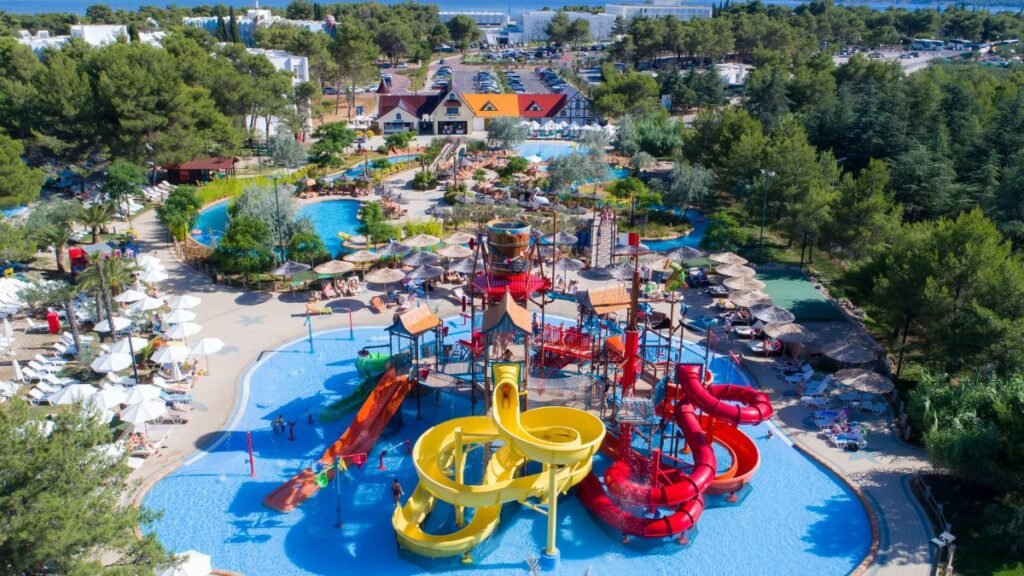
Step 3: Where to Find Reliable Park Landscaping Contractors
Industry Networks and Associations
Professional landscaping and construction associations often list verified contractors with proven credentials.
Referrals from Park Consultants
Design consultants, architects, and engineers often recommend contractors they have successfully worked with.
Contractor Portfolios and Websites
Review company websites carefully. Look for:
- Completed park projects
- Visual documentation
- Clear explanation of services
- Experience with public or entertainment spaces
Government & Municipal Project Records
Public park tenders and awarded projects reveal contractors experienced in large‑scale park development.
Industry Events and Expos
Theme park and landscape exhibitions are excellent places to meet contractors and review real-world expertise.
Step 4: Evaluate Contractor Experience and Capability
Not all landscaping contractors are suitable for parks. Evaluation should go beyond pricing.
Relevant Project Experience
Choose contractors who have worked on parks, recreational spaces, or entertainment destinations—not just gardens or housing projects.
Quality of Execution
Examine finishes, plant health, drainage solutions, and integration of hardscape and softscape.
Technical Knowledge
Strong contractors understand:
- Soil and drainage behavior
- Crowd movement and safety
- Long‑term maintenance needs
- Climate‑appropriate planting
Communication and Transparency
Clear communication during early discussions is a strong indicator of on‑site performance.
Step 5: Request Detailed and Comparable Proposals
A professional proposal should include:
- Scope of work
- Material specifications
- Timeline and milestones
- Cost breakdown
- Maintenance and warranty details
Avoid vague estimates. Transparency at this stage prevents disputes later.
Step 6: Verify Credentials and Compliance
Before final selection, confirm:
- Business licenses and registrations
- Insurance coverage
- Safety certifications
- Past client references
For large parks, contractors should also demonstrate experience working with regulatory approvals and safety audits.
Step 7: Meet the Actual Execution Team
Always meet the people who will manage the site—not just sales representatives.
Discuss:
- Daily site supervision
- Problem‑solving approach
- Update frequency
- Coordination with designers
Strong teams bring confidence, clarity, and accountability.
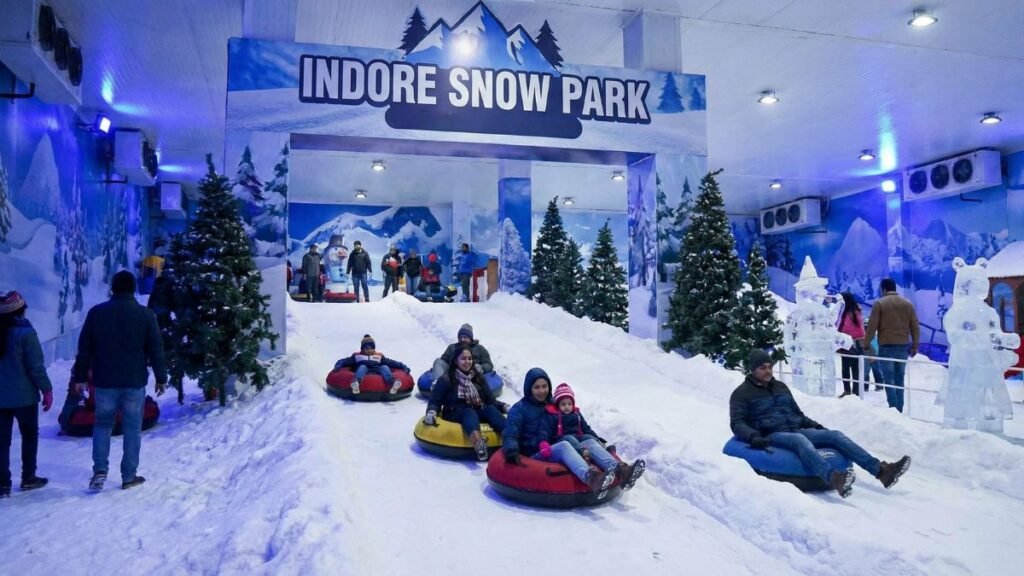
Mid‑Project Insight: Working with a Theme Park Design Company
For complex entertainment destinations, working alongside a Theme Park Design Company ensures that landscaping, theming, circulation, and storytelling remain aligned. This collaboration helps contractors understand not just what to build but why it matters for the guest experience.
Step 8: Contract Structure and Risk Management
A well‑structured contract protects both parties.
Include:
- Defined deliverables
- Milestone‑based payments
- Change‑order procedures
- Quality benchmarks
- Post‑completion maintenance support
Clear contracts lead to smoother execution and fewer conflicts.
Sustainability in Park Landscaping
Modern parks must be environmentally responsible.
Choose contractors who prioritize:
- Native and climate‑adaptive planting
- Water‑efficient irrigation
- Durable, low‑maintenance materials
- Minimal environmental disruption
Sustainability reduces long‑term operational costs while improving public perception.
Managing Contractors During Construction
Even with the right contractor, active involvement matters.
Best practices include:
- Regular site inspections
- Weekly progress updates
- Prompt decision‑making
- Documented approvals
Good collaboration keeps projects on schedule and aligned with design intent.
The Role of Integrated Park Development Expertise
Successful parks are built when design and construction work together. Collaborating with a Theme Development Company helps ensure that landscaping supports storytelling, immersion, and visitor flow rather than existing as a disconnected element.
Long‑Term Maintenance Planning
A park’s success doesn’t end at opening day.
Ask contractors about:
- Plant replacement guarantees
- Maintenance training
- Seasonal care requirements
- Future expansion adaptability
Well‑planned landscapes stay beautiful for years, not just months.
Final Thoughts: Building Parks That Last
Finding contractors specializing in park landscaping and development is a process that rewards preparation, patience, and expertise. When you focus on experience, communication, and long‑term value, not just cost, you build parks that perform beautifully and sustainably.
At Snomusement, we support this journey as an Adventure Park Design Company and Water Park Design Company, guiding projects from vision to reality while aligning design excellence with reliable execution.
The right contractors don’t just build landscapes, they create destinations people return to, remember, and recommend.