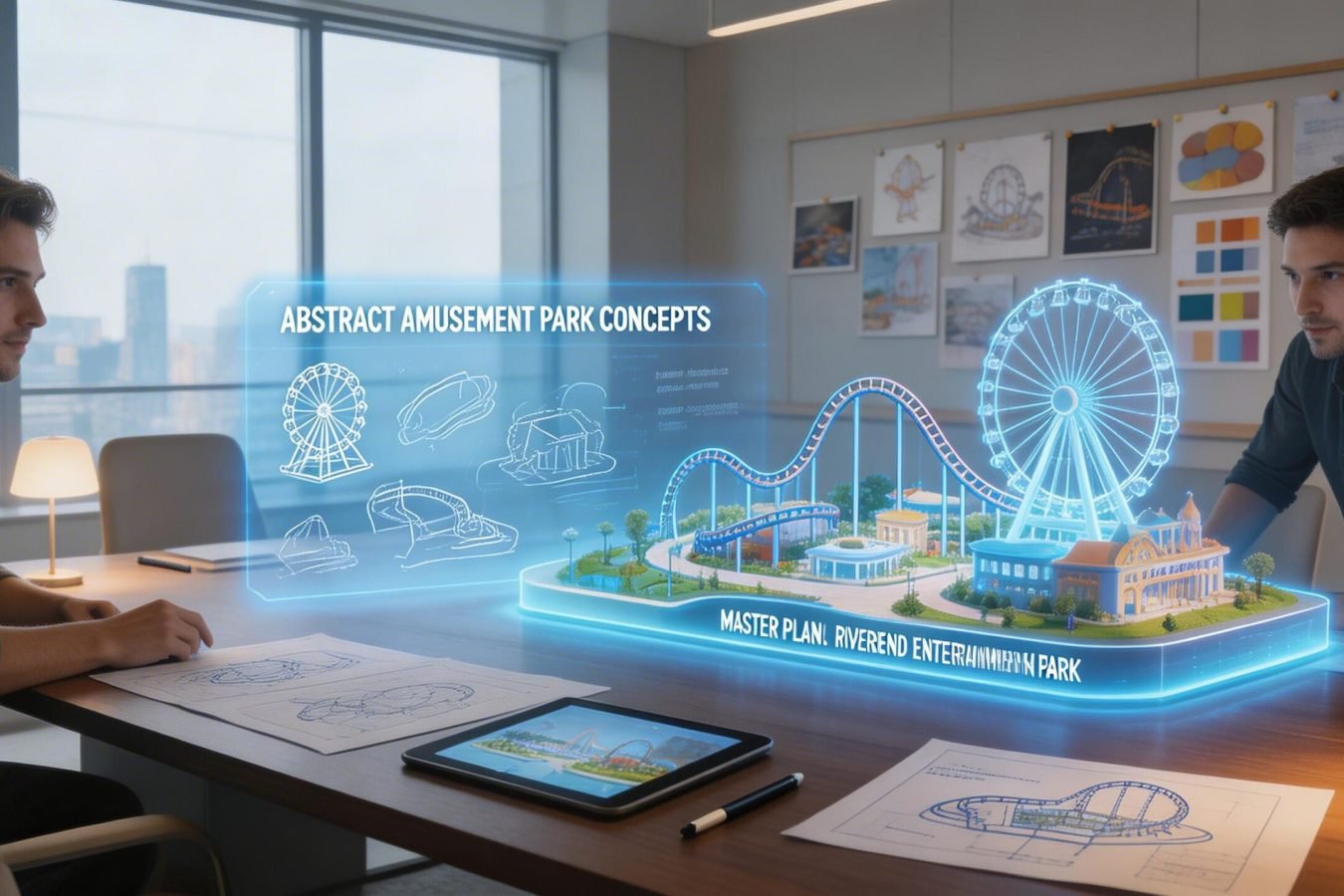
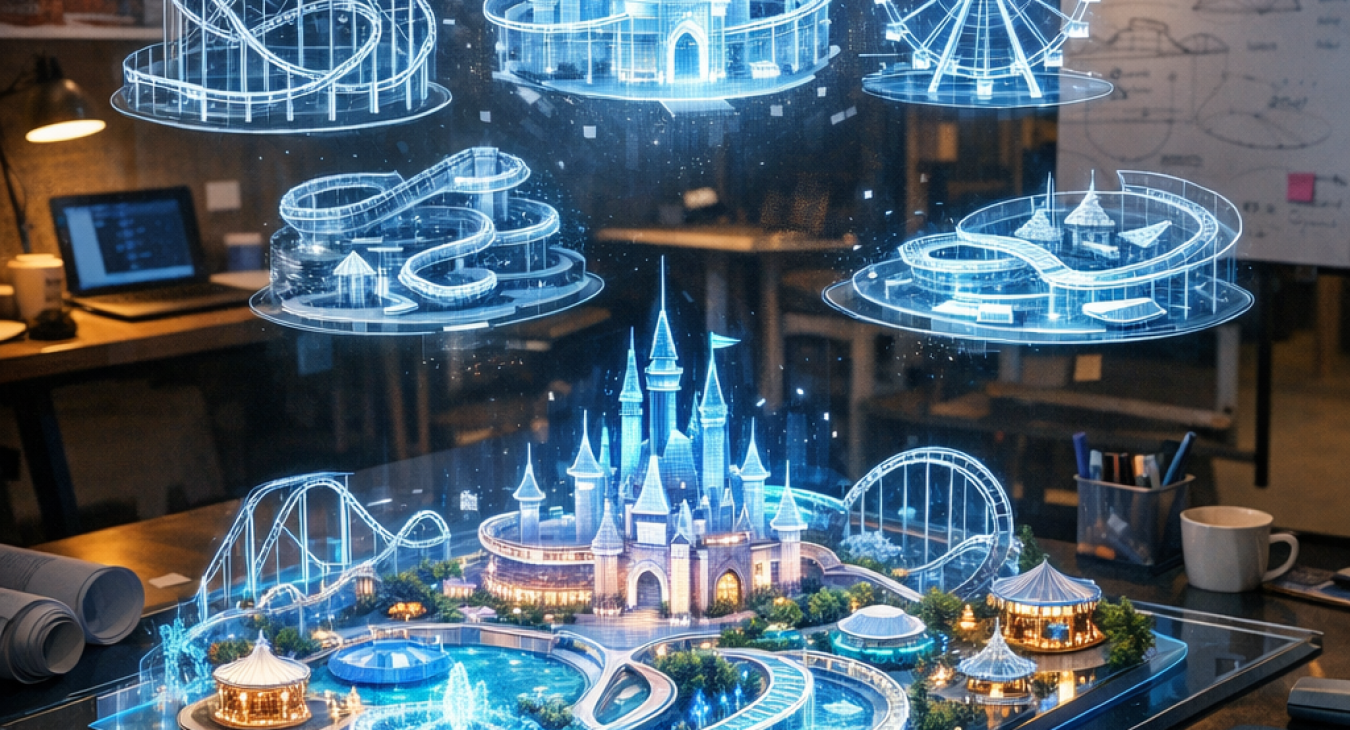
Effective concept development is the foundation of a project long-term success in influencing the decisions made during the whole project planning in terms of operation to future expansion. When properly performed, it can minimize risk, enhance transparency, and enhance the lifecycle of a destination overall.
1. Creates a Clear Strategic Direction: A well-defined concept provides a unified vision that aligns all stakeholders, like developers, designers, engineers, and operators. It prevents fragmented decision-making and ensures that every phase of development follows a consistent strategic path.
2. Enhances Operational Efficiency from Day One: Concept-driven planning considers circulation, zoning, and functional relationships early on. This leads to smoother operations, reduced bottlenecks, and better coordination between guest areas, staff zones, and service infrastructure.
3. Supports Scalable Growth and Future Expansion: Strong concept frameworks allow projects to grow in phases without losing identity or functionality. Expansion zones, future attractions, and upgrades can be added seamlessly without disrupting the overall experience.
4. Strengthens Market Positioning and Brand Identity: A clearly defined concept helps establish a recognizable brand presence. It ensures the project stands out in a competitive market and delivers a consistent experience that audiences can connect with emotionally.
5. Reduces Long-Term Costs and Design Revisions: Early conceptual clarity minimizes redesigns, structural modifications, and operational inefficiencies later in the project lifecycle. This leads to better cost control and optimized resource utilization.
6. Improves Stakeholder Alignment and Decision-Making: A strong concept serves as a reference point for investors, consultants, and operators. It simplifies approvals, accelerates decision-making, and reduces miscommunication across teams.
7. Enhances Visitor Experience and Retention: Well-developed concepts create intuitive journeys, balanced pacing, and memorable moments. This increases visitor satisfaction, repeat visits, and overall project longevity.