
Snomusement Innovations LLP

Museum Planning

Thoughtfully planned spaces that preserve history, interpret culture, and engage modern audiences.

What Is Museum Project Planning?

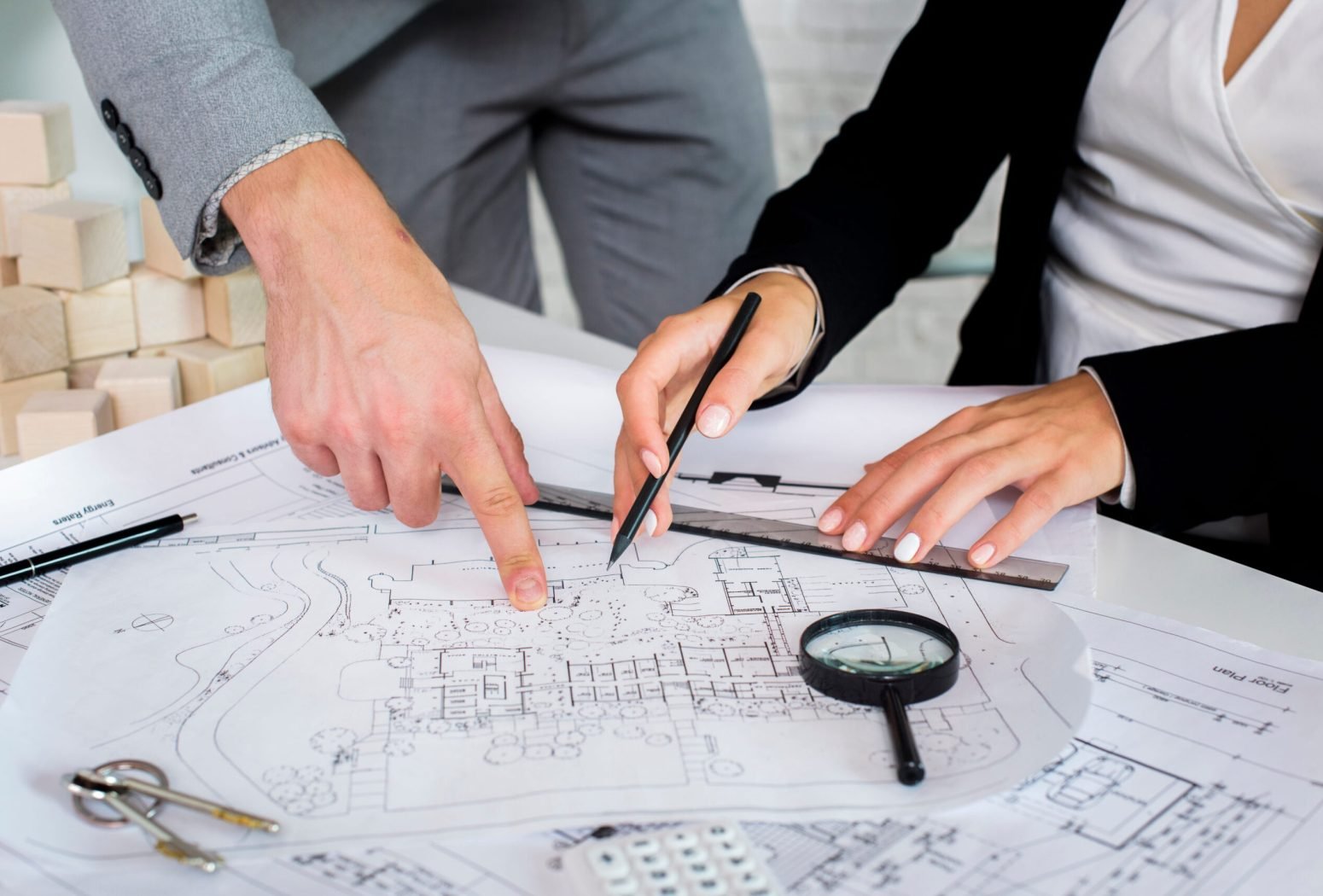
The systematic approach of defining the way a museum operates, interacts, and develops is what can be termed as part of museum project planning. It sets the pattern of spatial planning, exhibition strategy, visitor circulation, conservation requirements, integrating technology, and managing operations.


Professional museum planning consultancy makes certain that the narrative of the museum, the collection needs, and the goals of the museum in terms of engaging the community is converted into a unified and constructible plan. This is a solution that enables institutions to create museums that are relevant, accessible, and flexible in the long run.
The Role of Museum Planning in Visitor Engagement

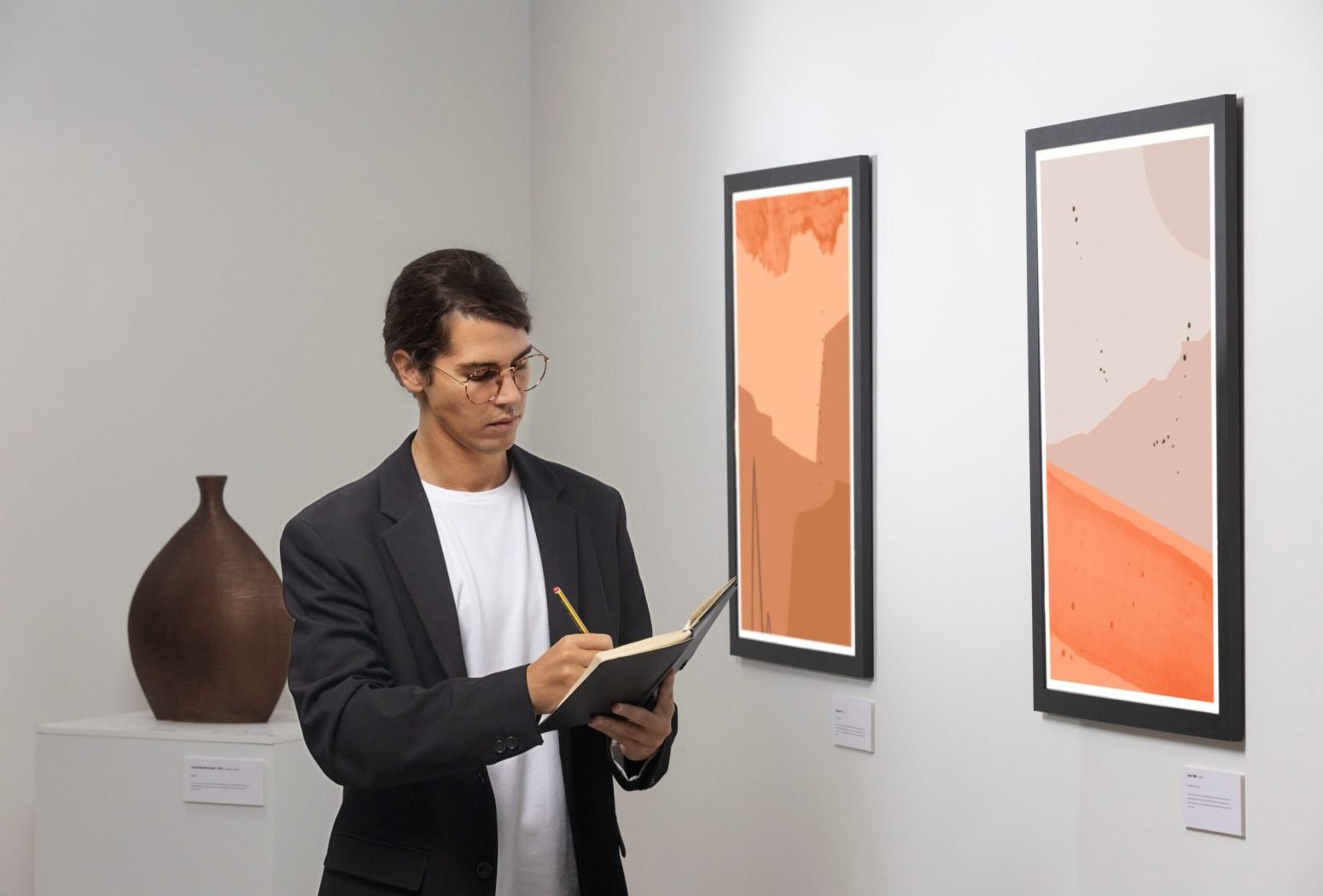
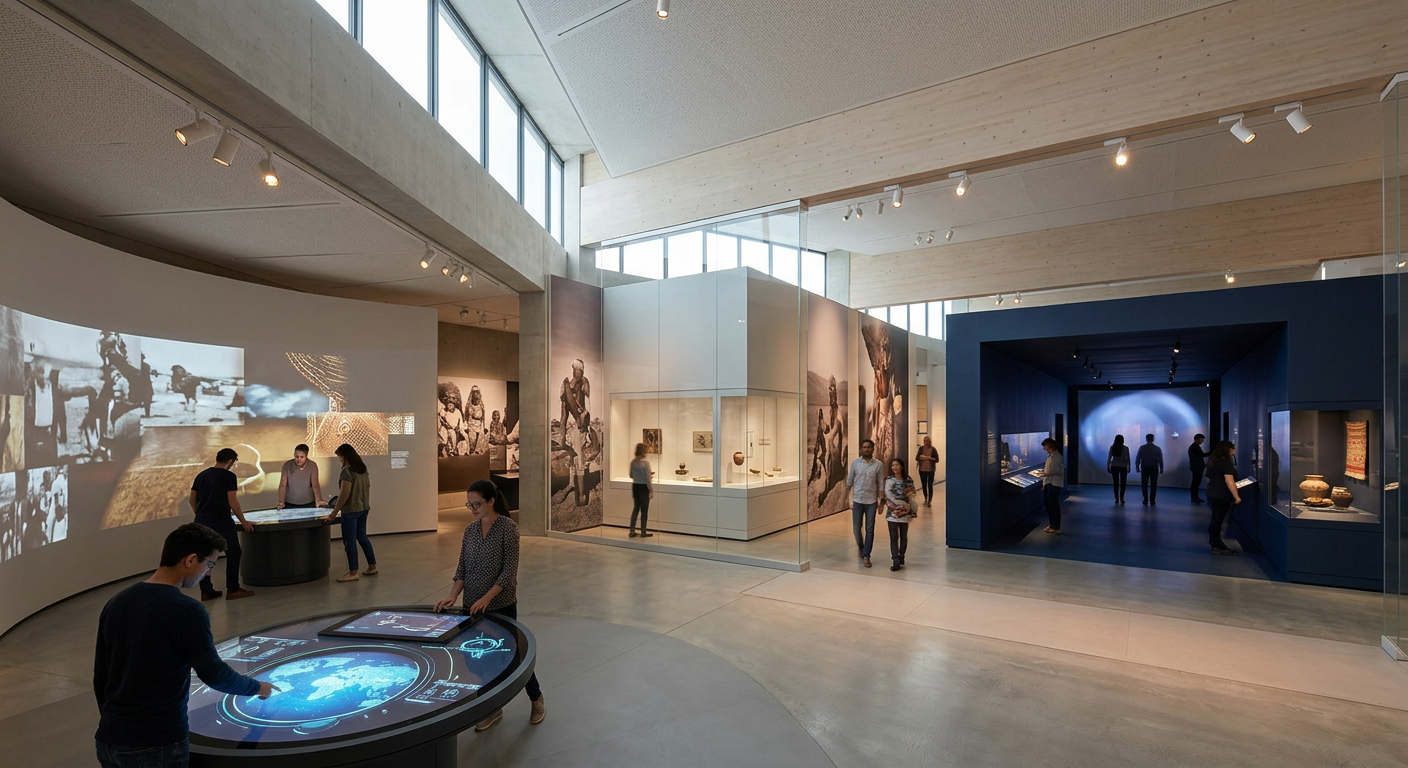
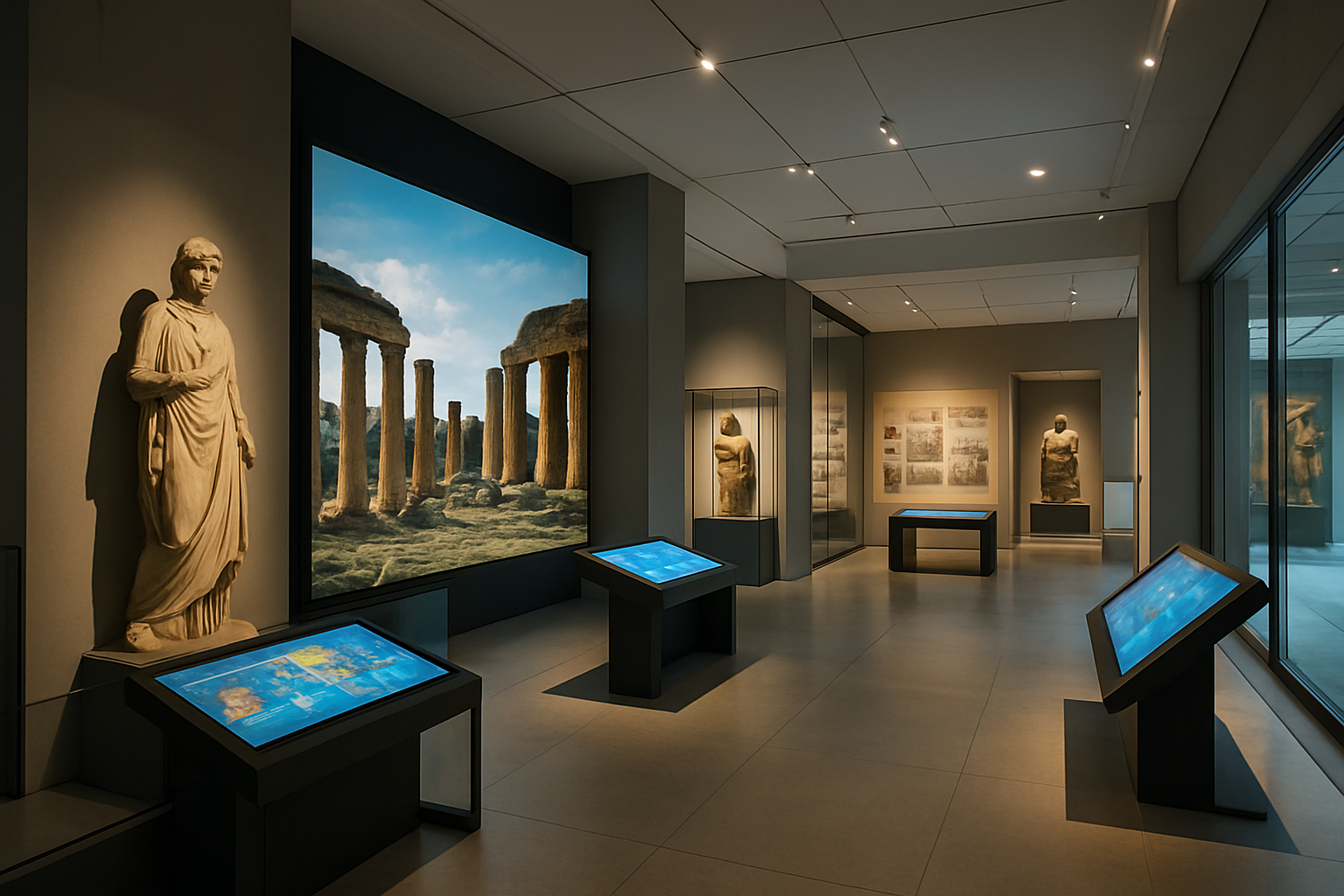
The process of museum planning is important in influencing visitor information consumption, spatial flow, and personal attachments to exhibits. In addition to the aesthetics, planning defines sightlines, pacing, rests, and clarity of interpretation throughout the galleries.

Thoughtful zoning and rich layering of narratives allow a well-planned museum to expect a wide spectrum of visitor behaviors, such as families, students, researchers, tourists, etc. This practice will add value to dwell time, learning results, and recurrent visitation in a way that does not overpower audiences.

Our Approach to Museum Planning Consultancy

Planning of museums at Snomusement Innovations LLP starts with a clear purpose. Cultural intent, audience comprehension, and practicality of operations inform each project and are not done solely by design trends. Storytelling is integrated with spatial and technical systems in our planning process to give meaningful visitor experiences.

Museum Planning and Design Services

The museum planning consultancy services we provide cover the new museum development, expansion, and adaptive reuse projects. Planning is treated as an aspect of a strategic basis that guides the architectural design, exhibition design, and long-term running.

Future flexibility is also an aspect of museum project planning, which enables institutions to refresh exhibits, to add new technologies, and to react to evolving expectations of the audience, without significant structural modification.

What Our Museum Project Planning Typically Covers?

  • Vision definition and functional brief
  • Audience profiling and engagement strategy
  • Gallery zoning and spatial hierarchy
  • Exhibition planning and content flow
  • Conservation and environmental requirements
  • Technology and multimedia integration planning
  • Operational, staffing, and maintenance considerations

Designing Museums for Longevity and Adaptability

Museums change with the passage of time as collections increase, narratives change, and technology is improved. The whole process of planning the strategies makes sure that areas of exhibition, infrastructure, and circulation routes are flexible without disruptive remodeling.


Gallery layouts and the back-of-house areas, as well as service systems, are designed to accommodate these updates in the future. This proactive strategy cushions institutional investment and enables the museums to be relevant decades into the future.

Who Should Engage a Museum Planning Consultancy?

  • Government and cultural institutions
  • Private museum founders and trusts
  • Educational and research organizations
  • Developers of cultural districts or heritage sites
  • Institutions planning museum expansion or modernization

Museum planning consultancy is particularly valuable before architectural design begins or when redefining an existing museum’s purpose.

When to Engage a Museum Planning Consultancy?

  • Before architectural design begins
  • During concept approval or funding stages
  • When expanding or reinterpreting an existing museum
  • When introducing immersive or digital exhibits

Why Structured Museum Project Planning Matters?

Without structured planning, museums risk poor circulation, disengaged visitors, and operational inefficiencies. Thoughtful museum project planning ensures that exhibits communicate clearly, spaces function intuitively, and infrastructure supports preservation needs.

With experience across immersive environments and cultural projects, Snomusement Innovations LLP delivers museum planning solutions that balance educational depth with contemporary engagement.

Our Core Services

Every projection project is built on innovation, technical mastery, and creative storytelling.

Frequently Asked Questions (FAQs)

What is the difference between museum planning and museum design?

Museum planning determines the functional, narrative, and working structure of the organization, whereas design is concerned with architectural form and visual articulation. Good planning will mean that the design choices will be in favor of storytelling, accessibility, and long-term operations

Yes. The planning of the museum includes interactive media, projection, and digital installation, but the technical coordination, clarity of the contents, and comfort of the visitors are not ignored. This equilibrium enables technology to improve learning instead of distracting it.

Absolutely. Structured planning is of great advantage to smaller museums as it makes the most of small space, makes the stories clear, and enhances visitor movement. Planning also assists the private museums in scaling responsibly as time goes by.

Planning takes into account control of temperatures, humidity, amount of light, and material compatibility to safeguard collections. These considerations are incorporated at the initial stage so that they do not require expensive retrofits in the future.

Yes. Leading to the transformation of heritage buildings or already existing buildings, museum planning is particularly useful. It assists in balancing preservation limits and contemporary visitor experience and operational requirements.

The timelines are usually between 4 and 8 weeks and are differentiated by the size of the project, complexity of collection, and participation of stakeholders. The more complex institutions or multi-gallery projects might need more time to coordinate.

Ready to Plan a Meaningful Museum Experience?

Great museums begin with clarity of purpose. Our museum planning and design services help transform ideas into coherent, engaging cultural spaces built to educate, inspire, and endure.

Start your museum journey with informed planning and thoughtful execution.

Scroll to Top

Online Registration